














Howdy, Stranger!

It looks like you're new here. If you want to get involved, click one of these buttons!


Shells Virtual Desktop
BMail.ag - Secure Email Service
Server.net
CPLicense.net
VPS Server
Buy VPN
Vultr
VMs for AI
HostDare
ReliableSite White-Label Dedicated Hosting for Resellers
InterServer VPS
BMail.ag - Secure Email Service
Best VPN
High-Performance Bare Metal Server Solutions
Karvl.com
Server Mania Cloud Hosting
DataWagon Hosting
AlphaVPS Hosting
Evoxt.com
Clouvider
VPS Hosting with NVMe
Residential IPs in the US & 4G Mobile Proxies in EU & US with Unlimited Bandwidth
ReliableSite White-Label Dedicated Hosting for Resellers
Rabisu - Hosting Solutions
Shells Virtual Desktop
New on LowEndTalk? Please Register and read our Community Rules.

All new Registrations are manually reviewed and approved, so a short delay after registration may occur before your account becomes active.

What fraud prevention settings are you using?

2»

Comments

  • cubedatacubedata Member, Patron Provider

    CubeData uses our own FraudRecord Anti Fraud System, which has more than just FraudRecord API Integration, it also has two other API integrations in it, to really catch any further attempts at Fraud.

    With it being turned on strict for a while now, haven't had any chargebacks whatsoever from the people who do manage to get past it.

  • @crunchbits said:
    I wouldn't trust it, either. Will never require it as a host as well, I don't want to be custodian of that data. Just seems like you're going to make yourself into a giant juicy honeypot.

    The secondary thing I'd be worried about is when times get tough in the hosting world (or they have a drug addiction) that they just turn around and sell your data themselves and then feign shock when their "servers got hacked."

    Generally, abuse patterns have been relatively easy to identify and slowly tweak order flow to discourage those people without disenfranchising the other 99% of legitimate users.

    I think this is the best advice on this topic overall. Cut the low hanging fruit and then tweak as necessary. I've never been flagged for fraud for other e-commerce stuff but I'm almost always flagged for server providers.

    Quick ticket to support making sure the issue wasn't a mis-type or something, fire up a VM and a virgin browser with no addons, place order, done. Sure it's inconvenient but as long as it doesn't take an ungodly amount of time to manually provision (If the order doesn't get provisioned immediately on the second go with "the fix") - I don't mind. If I need something right away, I'll just fire it up on Vultr and then transfer to a different provider after the fact.

    Anyone who is persistent about needing a cheap VPS immediately is probably a red flag. That's possibly the better question to pose to providers - what are the biggest red flags when it comes to bad clients and malicious actors preceding/during/post ordering.

  • WebProjectWebProject Veteran, 🚩 Host Rep Tag Suspended

    @szymonp said:

    @WebProject said:

    @Don_Keedic said:
    That is pretty wild. They have something crazy like a 99% conviction rate if I remember correctly so probably not locals.

    China
    Russia
    Ukraine
    India
    Vietnam
    Pakistan
    Iran
    South Africa
    Nigeria
    Indonesia
    Turkey
    Romania
    Brazil
    Venezuela

    Those are the countries that used to try and hit my servers most often. Given their extradition policies, I'd imagine they'd be considered "high risk" when it comes to fraud prevention as well.

    A few US states and Australia are also on our black list as we classify some orders as high risk.

    What did Australia do 😭

    exactly the same as above countrties - spam, fraud and chargebacks after 8 months of service usage (all clients were verified so no VPNs or proxies).

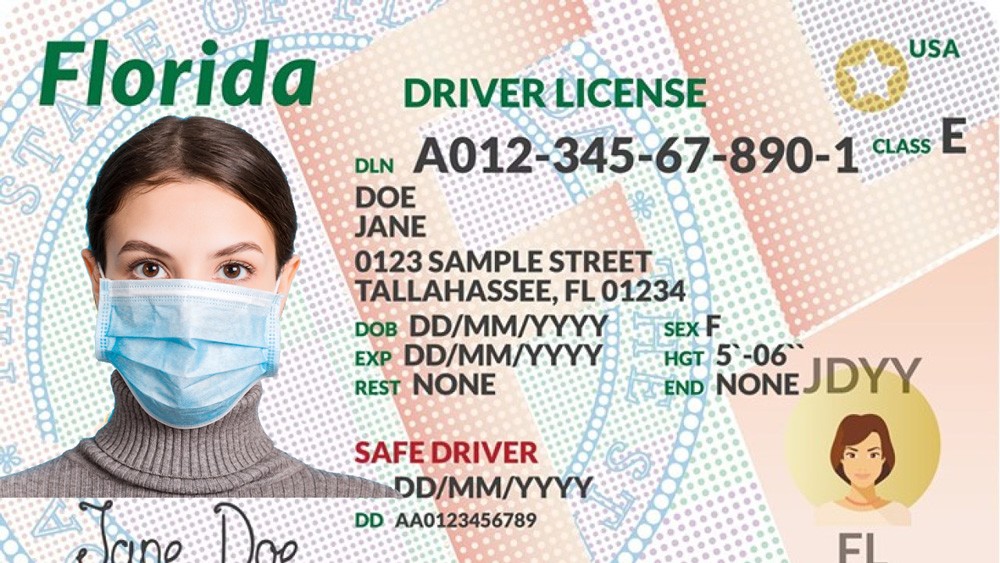
    The most common fake ID were used is from Florida state, the best one is with Covid mask :D :

  • @WebProject said: exactly the same as above countrties - spam, fraud and chargebacks after 8 months of service usage (all clients were verified so no VPNs or proxies).

    were they all chinese like the guy earlier said?

  • SecureLayer7SecureLayer7 Member, Host Rep

    It would be beneficial to have the following configurations for improved fraud prevention:

    1. Fast geolocation may not be a significant factor since most users utilize VPNs. Alternatively, subscribing to an API that shares previous fraud details could be helpful.
    2. Focus on addressing low-hanging fruit first and gradually fine-tune country settings and user behavior parameters. This approach should gradually reduce fraudulent activity and chargebacks.
    3. It is essential to implement a fraud prevention product either through WHMCS or on the payment side, similar to Stripe Radar.

    With these insights in mind, I plan to make adjustments to my WHMCS's AuthSafe plugin based on these suggestions. Hopefully, this will lead to a reduction in fraud-related issues. It's reassuring to know that I'm not alone in facing this challenge.

  • @WebProject said:

    @szymonp said:

    @WebProject said:

    @Don_Keedic said:
    That is pretty wild. They have something crazy like a 99% conviction rate if I remember correctly so probably not locals.

    China
    Russia
    Ukraine
    India
    Vietnam
    Pakistan
    Iran
    South Africa
    Nigeria
    Indonesia
    Turkey
    Romania
    Brazil
    Venezuela

    Those are the countries that used to try and hit my servers most often. Given their extradition policies, I'd imagine they'd be considered "high risk" when it comes to fraud prevention as well.

    A few US states and Australia are also on our black list as we classify some orders as high risk.

    What did Australia do 😭

    exactly the same as above countrties - spam, fraud and chargebacks after 8 months of service usage (all clients were verified so no VPNs or proxies).

    The most common fake ID were used is from Florida state, the best one is with Covid mask :D :

    Someone needs to make a "Anonymous Tales From Service Providers" website with stuff like this. I'm certain there'd be some entertainment value potential.

  • crunchbitscrunchbits Member, Patron Provider, Top Host

    @Don_Keedic said:

    Someone needs to make a "Anonymous Tales From Service Providers" website with stuff like this. I'm certain there'd be some entertainment value potential.

    I'd definitely read it. Sometimes (from the provider side) it's nice to know whatever your team is seeing internally isn't exclusive.

    @Don_Keedic said:
    Anyone who is persistent about needing a cheap VPS immediately is probably a red flag. That's possibly the better question to pose to providers - what are the biggest red flags when it comes to bad clients and malicious actors preceding/during/post ordering.

    Hmm.. some I can think of quickly:

    1. Buying 10+ of the cheapest plan during non-business hours (local to us, PST). While we actually have had some legitimate customers doing this, it's usually a sign that you're about to be part of an outgoing DDoS. The legitimate customers also usually had some interaction with support staff prior or early on making sure we had some clue. Not that we require it, but it definitely helps.
    2. Extreme urgency over sub $6/m products. Multiple tickets opened that could have been 1 ticket or a request like wanting more bandwidth (okay, not a problem) but if we don't have the task completed within the hour ticket spam starts. Usually a good sign to part ways--if you're going to use up the allocated XX TB of bandwidth within the first day, the little one time bump isn't going to help.

    Quite a few more I'd have to think about. As far as regions go: I know China gets thrown under the bus a lot but I have to say our fraud/problem customers from there are really no more than anywhere else and they have 4x the US population. India gets rolled up there too, but same story. Both have generally been good customers, fun to interact with. Really thinking about it, "problem" interactions have been exceedingly rare.

  • a bit offtopic: but how do you handle recurring payments (e.g. via stripe) by customers from India? As WHMCS does not support the new regulations yet, do you use a different payment gateway or is it just a hassle and a mess each month?

  • SecureLayer7SecureLayer7 Member, Host Rep

    @OhJohn said: a bit offtopic: but how do you handle recurring payments (e.g. via stripe) by customers from India? As WHMCS does not support the new regulations yet, do you use a different payment gateway or is it just a hassle and a mess each month?

    No idea on this recurring payment. It ask for the OTP and there is process by payment gateway.

  • SecureLayer7SecureLayer7 Member, Host Rep

    @cubedata said: CubeData uses our own FraudRecord Anti Fraud System, which has more than just FraudRecord API Integration, it also has two other API integrations in it, to really catch any further attempts at Fraud.

    With it being turned on strict for a while now, haven't had any chargebacks whatsoever from the people who do manage to get past it.

    We are using current sensfrx.ai integrated with WHMCS so far working very well.

  • vpn2024vpn2024 Member

    To technically avoid chargebacks..

    I think the safest way is to authorize first, and then capture later. You get 5 days with Stripe. During this time you can do some due diligence and/or would hope some red flag behavior would be visible.

    I know most billing software in this is space is utter garbage but surely authorize today capture +5 is feasible with some. A chargeback can't happen whilst a payment is in pending state.

    To avoid buyer remorse, reach out to them, make cancellation in the 30 day window one click, remind them the name of the company and what will be charged, refund them if they got to cancel by +1/+2 days etc..

  • SecureLayer7SecureLayer7 Member, Host Rep

    @vpn2024 said: I think the safest way is to authorize first, and then capture later. You get 5 days with Stripe. During this time you can do some due diligence and/or would hope some red flag behavior would be visible.

    Due diligence needs for time investment if you install something will help you to build the risk then it will be helpful. Strip has their own fraud prevention.

  • PusePuse Member
    edited May 2024

    @vpn2024 said:
    To technically avoid chargebacks..

    I think the safest way is to authorize first, and then capture later. You get 5 days with Stripe. During this time you can do some due diligence and/or would hope some red flag behavior would be visible.

    I like and dislike your approach at the same time. I want to use one-time card and ensure I am safe in the future. Your approach will either decline the transaction because thr card type is not supported or authorize the card and effectively use it without you being sble to chargebit later.

    Thanked by 1SecureLayer7
  • vpn2024vpn2024 Member
    edited May 2024

    On prepaid and one-time card you wouldn't know the difference tbf, it would show deducted immediately, infact for most credit cards and debit cards you would only know after N+2 if there was a delay between auth and capture.

  • sandozsandoz Veteran
    edited May 2024

    I believe that asking for ID is not the correct way to do it. Since many clients even those who doesn't any shit in the servers, will refuse to do it and will go away. No matter what, there are customers who doesn't accept it even if they do is legit and legal.

    This is a question of privacy and their rights, of course Hosting Providers have the same rights to ask for KYC, but many customers will run away from that.

    For me the best to do to avoid such things:

    Blocking Port 25
    Increasing Prices
    Manually provisioning for cheap services (or increase prices for cheapest plans), other alternative is to change and force billing cycle being for 6 months or 1 year.

    Most of them avoid expensive plans or billing cycles above >1 month.

    Pretty sure KYC may give and put away risks, but for sure many new "clients" will be lost even the legit ones.

    Thanked by 2sillycat tentor
  • SwiftnodeSwiftnode Member, Patron Provider, LIR

    @sandoz said:
    I believe that asking for ID is not the correct way to do it. Since many clients even those who doesn't any shit in the servers, will refuse to do it and will go away. No matter what, there are customers who doesn't accept it even if they do is legit and legal.

    Pretty sure KYC may give and put away risks, but for sure many new "clients" will be lost even the legit ones.

    I agree with this sentiment. We conduct fraud assessments using multiple providers, if anything hits, then we request KYC verification.

    If client refuses, just refund and move on. Worst case, you lost a customer you already didn't trust, best case, you saved yourself from the headache of having to clean up after them.

  • WebProjectWebProject Veteran, 🚩 Host Rep Tag Suspended

    @Swiftnode said:

    @sandoz said:
    I believe that asking for ID is not the correct way to do it. Since many clients even those who doesn't any shit in the servers, will refuse to do it and will go away. No matter what, there are customers who doesn't accept it even if they do is legit and legal.

    Pretty sure KYC may give and put away risks, but for sure many new "clients" will be lost even the legit ones.

    I agree with this sentiment. We conduct fraud assessments using multiple providers, if anything hits, then we request KYC verification.

    If client refuses, just refund and move on. Worst case, you lost a customer you already didn't trust, best case, you saved yourself from the headache of having to clean up after them.

    We done some custom rules so don’t need any KYC, as merchant does it for us as part of payment process.

  • SecureLayer7SecureLayer7 Member, Host Rep

    @WebProject said: We done some custom rules so don’t need any KYC, as merchant does it for us as part of payment process.

    What are those custom rules?

  • WebProjectWebProject Veteran, 🚩 Host Rep Tag Suspended

    @SecureLayer7 said:

    @WebProject said: We done some custom rules so don’t need any KYC, as merchant does it for us as part of payment process.

    What are those custom rules?

    We do use Stripe and stripe radar allow to do various payment rules which helps avoid very good customers with bad habits (fraud and chargeback)

  • siemenssiemens Member

    @jar said: I think maybe they rent out IPs or something? Not my specialty, someone else might be able to tell better.

    http://web.archive.org/web/20220815065740/https://outsideheaven.com/uk/about

  • TudcloudTudcloud Member, Patron Provider

    Turn on all Stripe 3DS verification, which almost prevents us from encountering all fraud again

    Thanked by 1SecureLayer7
  • SecureLayer7SecureLayer7 Member, Host Rep

    @cmivps said:
    Turn on all Stripe 3DS verification, which almost prevents us from encountering all fraud again

    Its not just about turning 3DS, what about Fake registration, Inventory hording, fake credit card, bad bots and etc. In North America, 3DS disregarded, people feel this as another friction. After this long time, we are using our own Sensfrx.ai - decisions via AI intelligence with 200+ rules. We currently happy about it.

  • BruhGamer12BruhGamer12 Member
    edited September 2024

    @Don_Keedic said:

    @MannDude said:
    Don't accept payments for a few dollars. I think the cheapest thing you can order from us is $15.00. That deters a lot of fraud and abuse. When our 512mb plans were available monthly, it attracted too many turds.

    Incognet: A discerning host for discerning clients.

    @MannDude said:

    @hyperblast said:

    @MannDude said:
    more strict for certain parts of the world.

    what regions?!

    The parts we've had issues with. Shockingly, Japan was the worst. China and India as well, obviously. Probably some other places I can't recall right now.

    That is pretty wild. They have something crazy like a 99% conviction rate if I remember correctly so probably not locals.

    China
    Russia
    Ukraine
    India
    Vietnam
    Pakistan
    Iran
    South Africa
    Nigeria
    Indonesia
    Turkey
    Romania
    Brazil
    Venezuela

    Those are the countries that used to try and hit my servers most often. Given their extradition policies, I'd imagine they'd be considered "high risk" when it comes to fraud prevention as well.

    The US government also has a 99% conviction rate yet US citizens do shit all the time still. Dunno if a super high conviction rate makes a huge difference.

    Edit: just saw how old this is lol why was it on the front page

Sign In or Register to comment.